
SURRY HILLS
Balayage

Balayage isn't a colour. It's a technique — the French word means sweeping.
Which matters, because most people now use "balayage" to mean any blended colour. That's not wrong exactly, but it's drifted a long way from what it originally was.
WHERE IT CAME FROM
The original balayage was painted freehand, no foils, and it was meant to recreate what the sun does to hair. Which means it was golden — I've never seen the sun give anyone a cool tone.
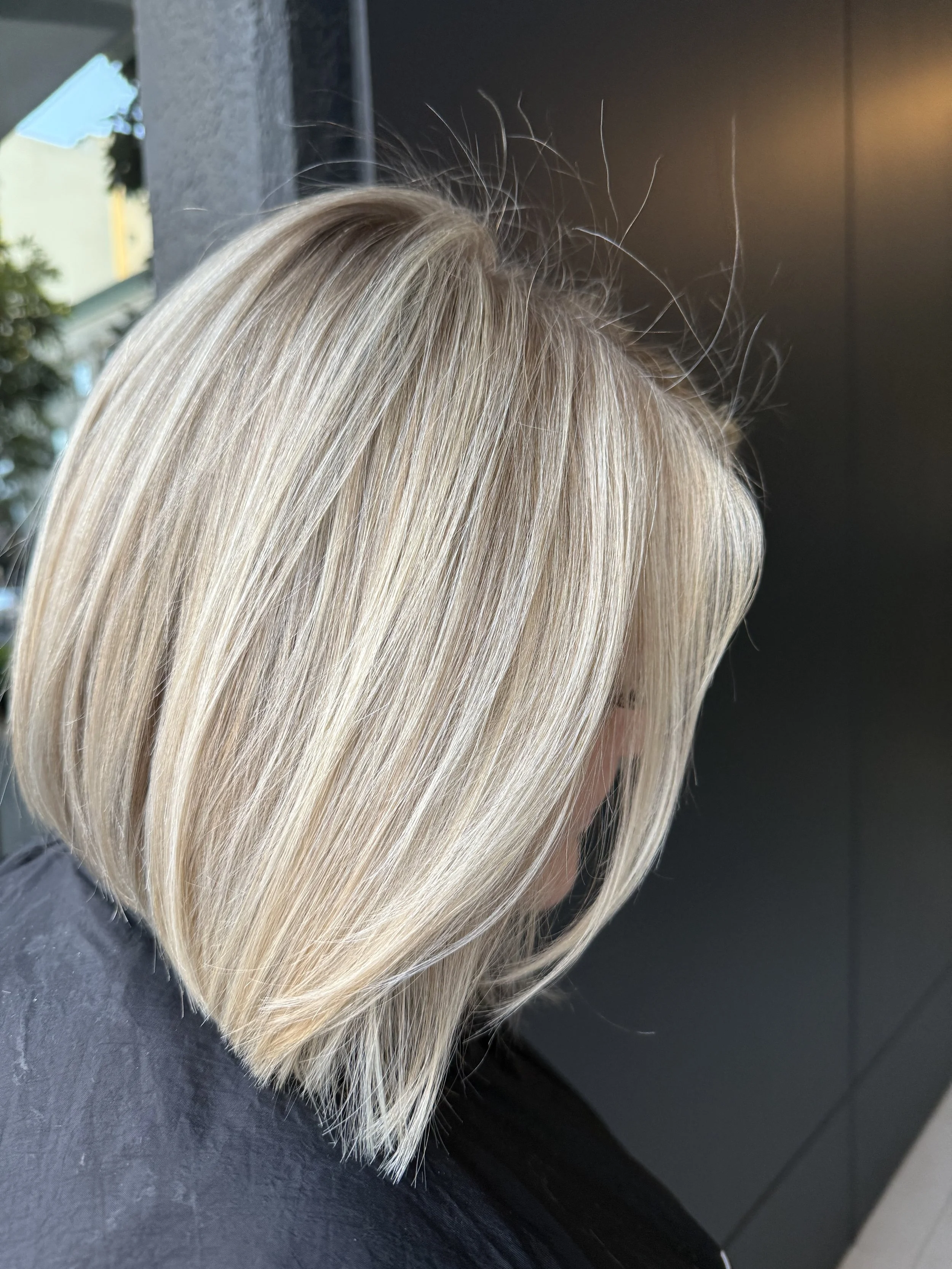
It's evolved since. Today it can be freehand or not, foils or not; there are several ways to get a blended balayage look, and the tone can go anywhere from golden through to a cool beige or creamy blonde.
Nobody books balayage meaning the brushwork. They mean the soft, blended, grown-out look — and that's what the consultation is for: finding out which version of it you have in mind.
MORE THAN ONE WAY TO GET THERE
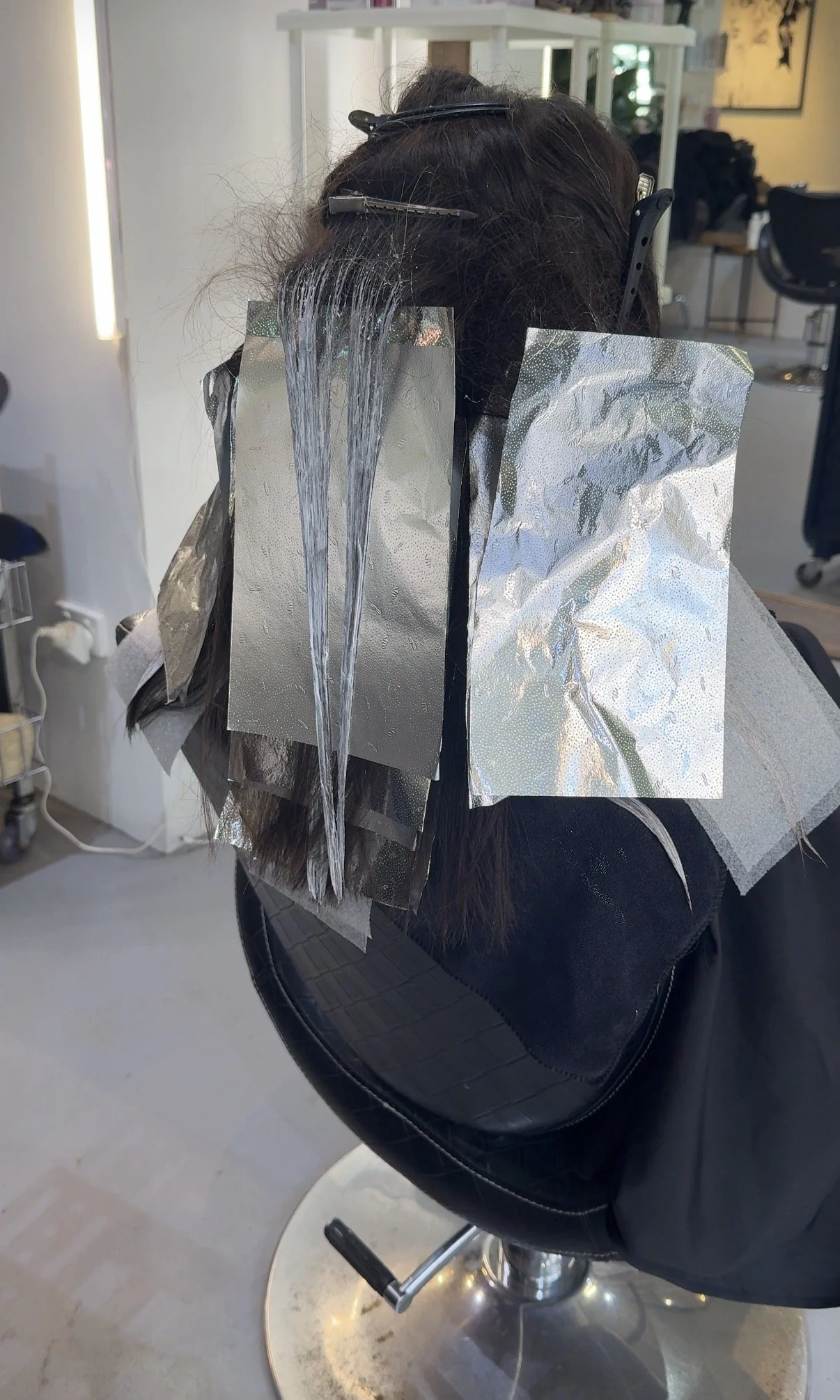
Balayage describes the result as much as the method, and there's more than one route to it — freehand balayage, babylights, teasylights, foilyage, air touch. Often a combination.
Which one I reach for depends on your hair and the look you're after, not on which is fashionable. You don't need to choose between them. That's what you're paying me for.
IT ISN’T ONLY FOR BLONDES
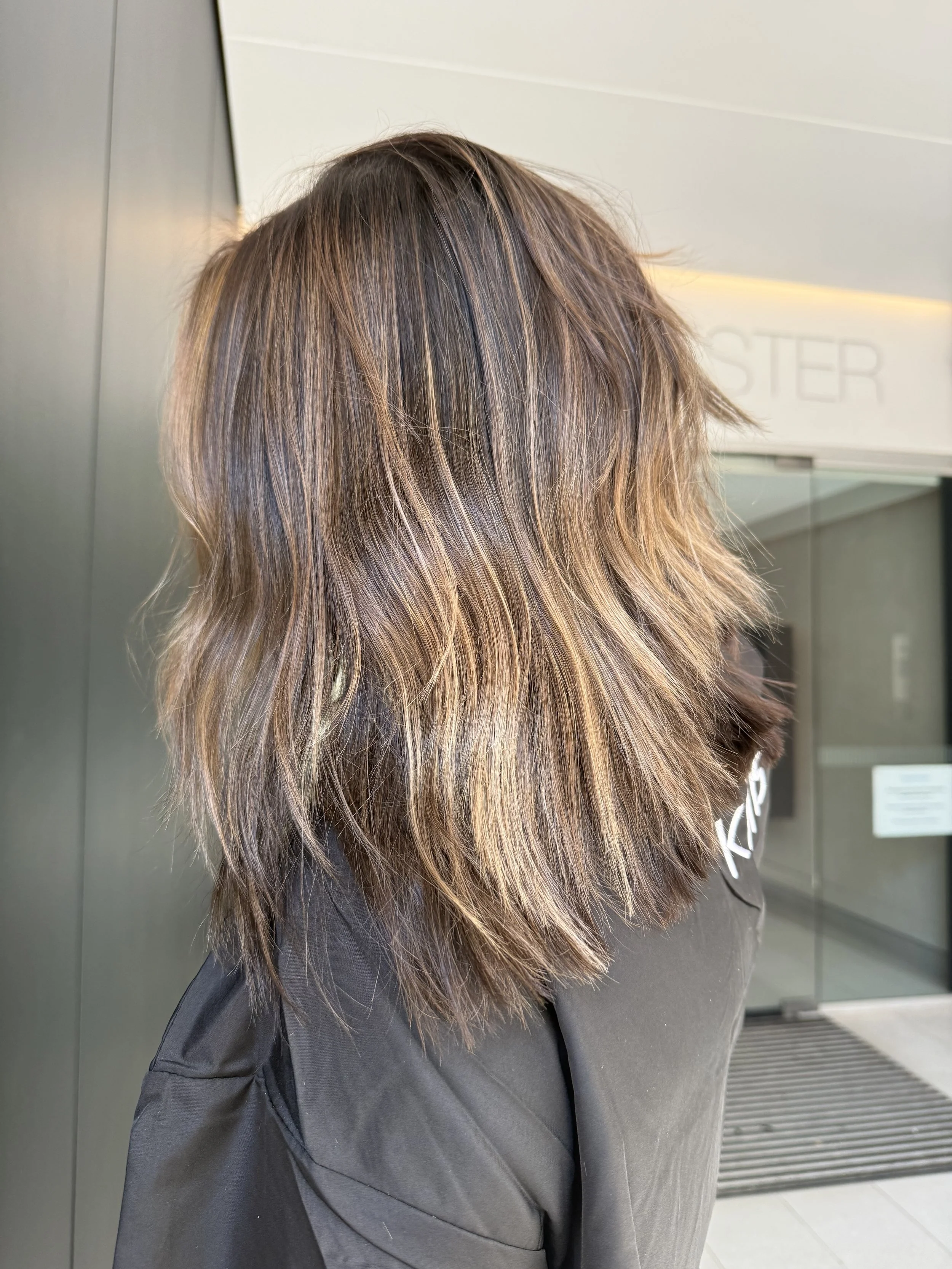
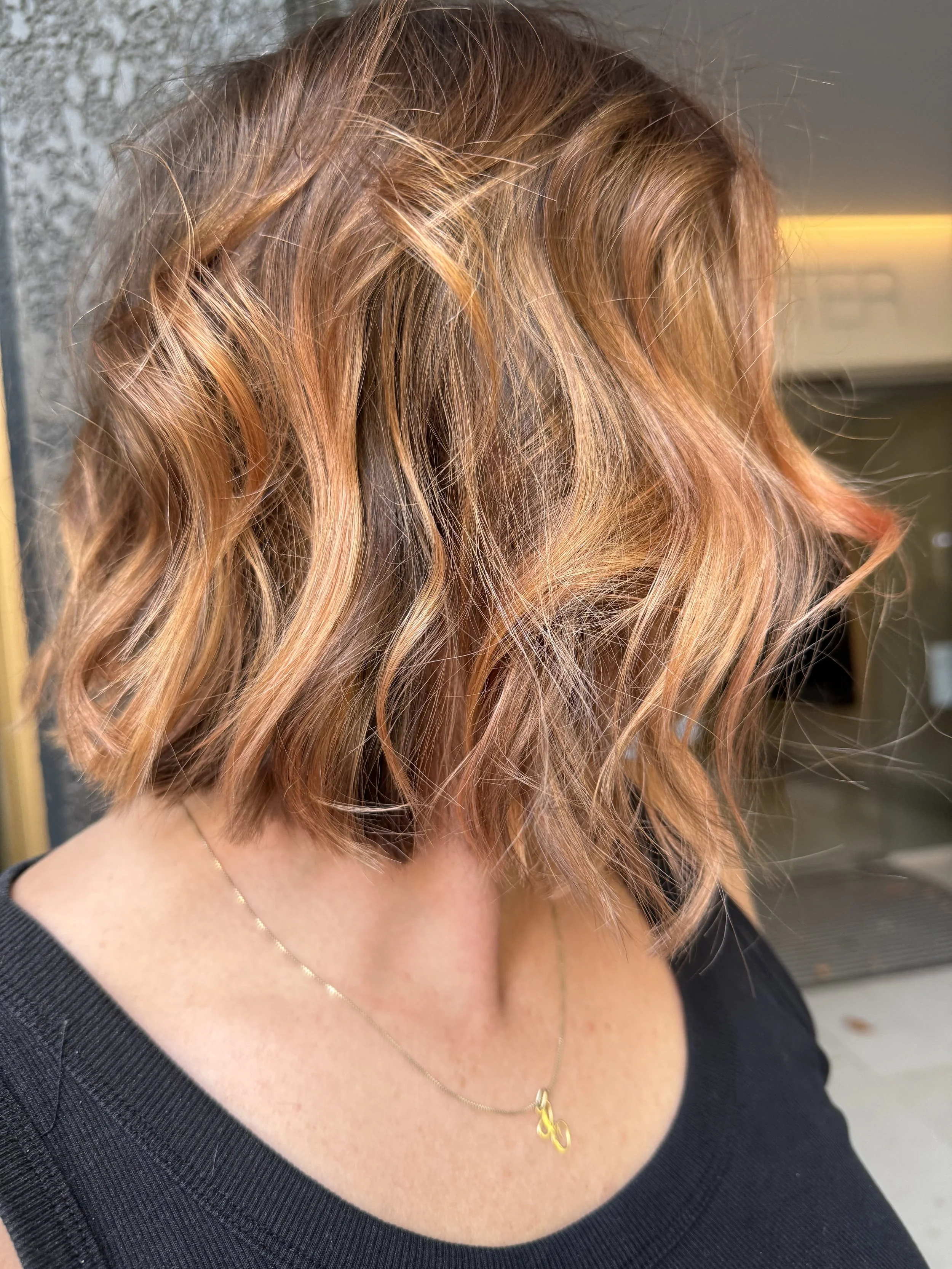
Balayage isn't a blonde service. It's a way of adding dimension, and dimension looks just as good on dark hair as it does on light.
It blends the root and adds movement, whatever colour you are.
IT’S HARDER THAN IT LOOKS
Blended balayage looks simple. It's the thing I see done badly most often — and you only have to look around to know not everyone got what they asked for.
Four things go wrong, and only one of them is about the brush.
Overdoing it
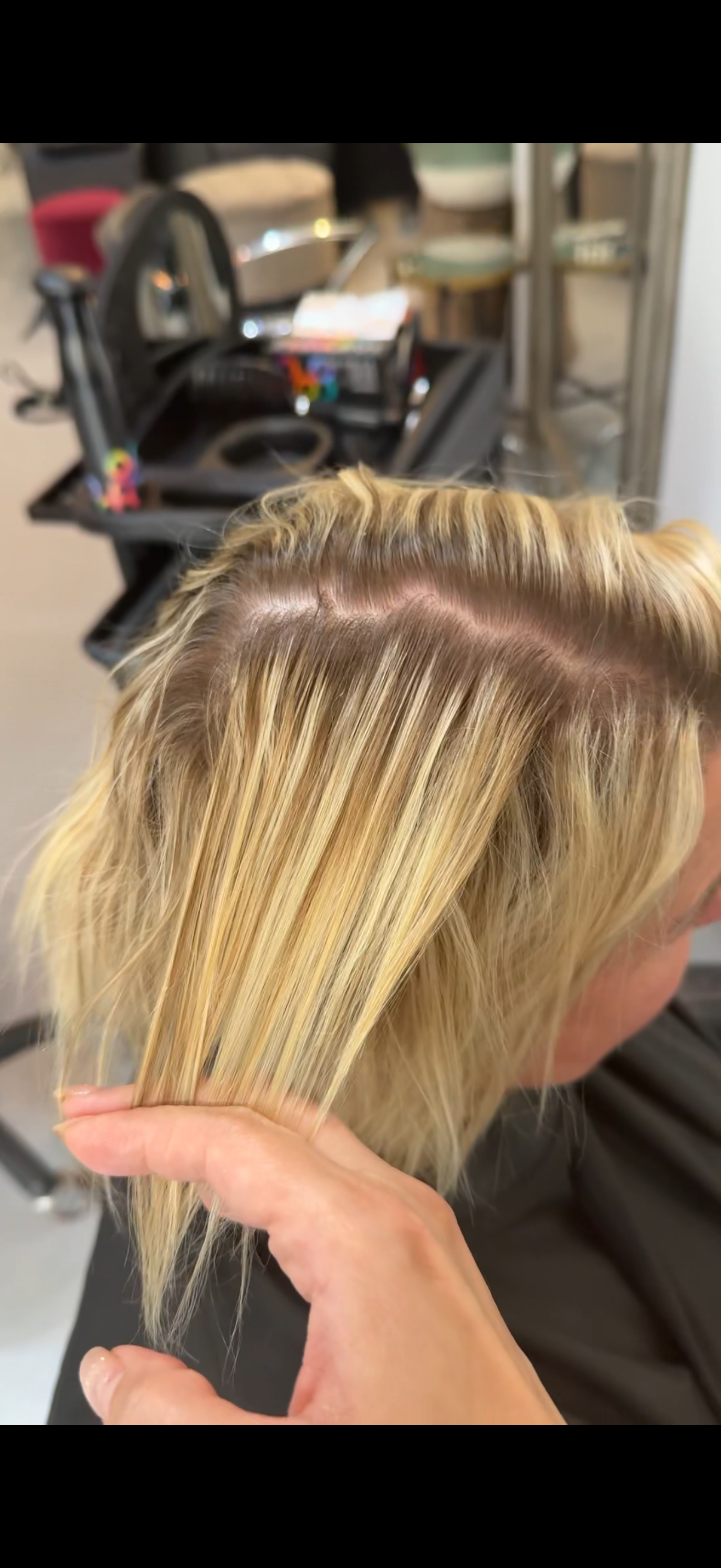
A full-on blonde at the root will not grow out softly. It can't — there's nothing left for it to grow into. Leave the dimension in, and you get a lived-in colour that grows out naturally, instead of a line you have to come back and have fixed.
Expectations nobody corrected
If what you're asking for isn't possible on your hair, the time to hear that is at the consultation — not four hours in.
A hairdresser who wouldn't say no
This is the real one. Most of the balayage I see gone wrong was agreed to in the first place by someone who should have said not today.
Hair that wasn't healthy enough to start
Soft, blended colour needs something to work with. If the hair isn't in the condition for it, no technique makes up the difference.
SIGNATURE BALAYAGE
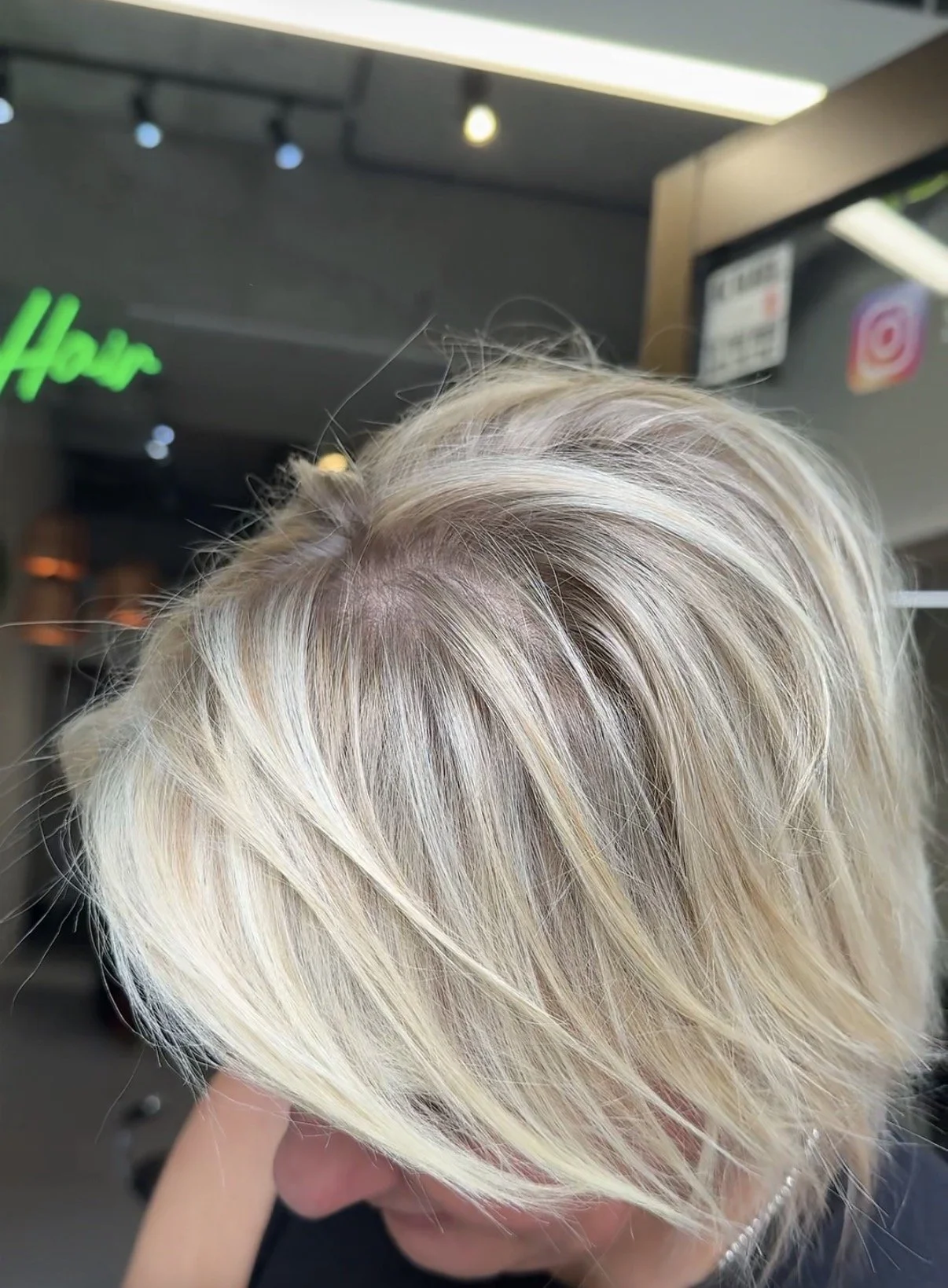
What you're paying for is the blend. I guarantee it — and if I don't think I can give you one, I'll tell you no.
Those two halves are the same promise. The guarantee only means something because I'm willing to turn the work down.
One client at a time
No overlapping appointments; nobody left sitting while I start someone else. The consultation isn't a formality — it's me listening properly before anything goes on your hair.
I'll guide you, not just agree with you
The conversation I have most often is explaining why a full-on blonde at the root won't grow out softly, and what to do instead. Most people haven't been told.
I won't trade your hair's condition for a brighter result
I work within what your hair can take — which sometimes means doing less than you came in for, and telling you why.
And the result should still look right in three months
That part's a partnership — the right routine at home and a follow-up when it's due, and I'll tell you exactly what that means for your hair. Then you get colour that grows out naturally instead of becoming a job. That's what I call a lived-in colour.
WHY IT GROWS OUT KINDLY
Because there's no hard start at the root, there's no line when it grows. That's the practical reason people choose it, and it's why it suits anyone who doesn't want to be in a salon every six weeks.
Dimension is what buys you the time. Hair lightened all over with no depth left in it reads as a hard line the moment it grows. Colour placed with contrast still looks deliberate three months later.
WHO IT SUITS
You want colour that grows out softly rather than sharply
You'd rather come in twice a year than every six weeks
You want brightness or depth without your whole head being processed
Who I'd talk out of it
Anyone whose hair isn't in the condition for it — and anyone who wants a solid blonde from root to tip, because that isn't what this technique does and it won't grow out the way they're picturing.
But there's always a solution. Saying no to one thing isn't saying no to you — it's the start of finding what will actually work on your hair. That's what the consultation is for.
How long you'll be in the chair depends on your hair — its length, its density, and how far we're taking it. You'll know before you book, because we work that out at your consultation rather than guessing.
ON THE DAY
IF YOUR HAIR HAS BEEN BOX DYED OR IS VERY DARK
Before I can say anything useful about what's possible, how long it will take, or what it will cost, I need three things: to see your hair, to know its history — everything that's ever been on it — and to feel it. Those three decide what can be done. Nothing else does.
So anyone giving you a plan and a price from a photo is guessing. I'd rather spend twenty minutes with your hair and tell you the truth.
WHAT IS THE COST
Balayage isn't one price. It depends how thick your hair is, how long it is, and how far we're taking it — so the honest answer is that you get an exact number at your consultation, not a guess over Instagram.
The full price list is here.
BOOKING
Every new client starts with a consultation, $50, taken off the price of your service. Twenty minutes to look at your hair properly, hear what you actually want, and tell you honestly whether balayage is right for you — or whether it isn't.
I'm usually booked around two weeks ahead, so it's worth planning.
À bientôt,
Florie
Healthy hair first.